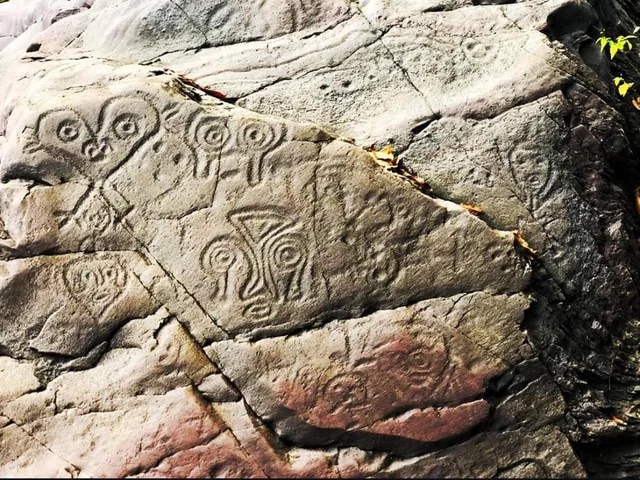
✨ Let’s Rewind to Borikén✨
Before Puerto Rico became known for colorful colonial streets, vibrant nightlife, and stunning beaches, it was called Borikén — the land of the Taíno people, the island’s original stewards.
Long before European ships appeared on the horizon, the Taíno lived in thriving communities across the island. They practiced advanced agriculture, cultivated cassava and maize, and developed intricate systems of governance led by chiefs known as caciques. Their society was deeply rooted in harmony with nature, spirituality, and ancestral respect.
The Taíno believed the natural world held sacred energy. Rivers, mountains, caves, and forests were all connected to spiritual forces called zemís, representing ancestors and protective spirits. Even today, traces of these beliefs remain embedded in Puerto Rican identity.
Many everyday words used across the Caribbean and the Americas come directly from Taíno language, including hamaca (hammock), huracán (hurricane), and barbacoa (barbecue), showing how deeply their influence still shapes modern life.
🥁 The Rhythm of Resilience
Centuries later, another powerful cultural layer was added to the island’s story.
Enslaved Africans brought to Puerto Rico through the transatlantic slave trade endured unimaginable hardship, yet transformed suffering into resilience, creativity, and cultural strength. Their influence is woven into the island’s heartbeat — especially through music, dance, and oral storytelling traditions.
One of the most powerful examples is Bomba, a musical and dance tradition born from African resistance. In Bomba, the dancer leads while the drummer responds, symbolizing communication, empowerment, and freedom. What began as a form of expression among enslaved communities remains one of Puerto Rico’s most celebrated cultural traditions today.
African influence also shaped Puerto Rican cuisine, language patterns, and spiritual practices. From rhythmic sounds to vibrant festivals, the island’s energy reflects a history of survival, adaptation, and cultural blending.
🌺 A Culture Layered With Identity
Modern Puerto Rican identity is not defined by a single narrative. Instead, it represents a layered story of Indigenous roots, African resilience, Caribbean pride, and a deep sense of community that continues to evolve.
This is why Puerto Rico feels so rich — not just visually, but spiritually and culturally.
⚔️ The Colonial Chapter (Context, Not Center)
The colorful streets of Old San Juan and the historic stone forts that overlook the ocean were built during the era of European colonization. While these structures often attract visitors for their beauty, they also stand as reminders of a time when empires competed for control of land, trade routes, and power in the Caribbean.
Understanding this history adds depth to the experience of visiting Puerto Rico today. Walking through Old San Juan is not just a visual journey — it is a walk through centuries of cultural survival, transformation, and identity.
✈️ Travel Through History
Puerto Rico is more than a destination.
It is a living story of ancestry, resistance, and pride that continues to shape the island’s vibrant spirit.
When you visit, you are not just exploring beaches or historic landmarks. You are stepping into a legacy that connects past and present in meaningful ways.


Ready to experience this history in person? Let Luxurious Latitude curate your journey to Puerto Rico and beyond. 👉🏽